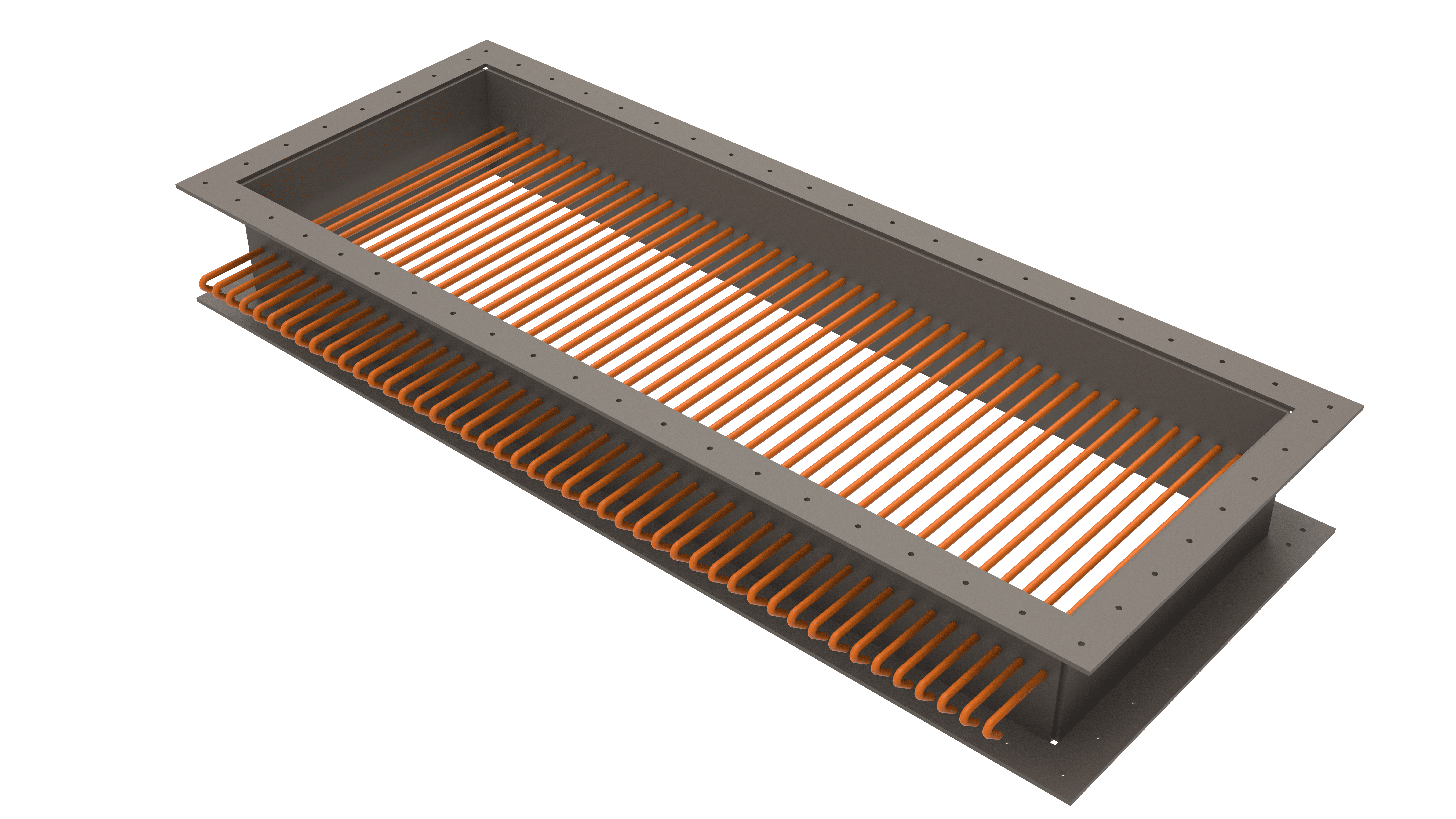
NEEDLE GATE
A needle gate involves meticulous design, material selection,
machining, fabrication, needle mechanism manufacturing, gate assembly, actuation system integration,
sealing system installation, quality control, testing, surface coating, packaging, and customer support.
The result is a precision-engineered component that facilitates accurate control over material flow in
industrial processes. Engineers initiate the process by designing the needle gate based on specific
application requirements, considering factors such as material type, flow rate, and desired control
precision. Design considerations include the type of needle mechanism, sealing mechanisms, and
construction materials. High-quality materials are selected based on the specific requirements of the
application, often including stainless steel or other corrosion-resistant alloys.
Considerations are made for durability, wear resistance, and compatibility with the handled materials.
The needle mechanism, a critical component of the needle gate, is manufactured separately. Precision
machining or casting processes are used to create the needle design. Needle gates may incorporate an
actuation system, such as manual, pneumatic, or electric actuators, for controlling the position of the
needle mechanism. The actuation system is integrated and calibrated to provide accurate and responsive
control. Seals and gaskets are installed to ensure airtight or watertight performance, depending on the
application requirements. Rigorous quality control measures are implemented to ensure that the needle
gate meets design standards and specifications. Testing may include checks for proper needle movement,
sealing effectiveness, and overall operational efficiency.
